

















This article was originally published in the NEMTAC’s NEMT Today here: https://lnkd.in/gcAmsFC6.
For years, the NEMT industry has relied on a traditional, volume-based approach—measuring success by completed trips and service level agreements like on-time performance, no shows, call-center responsiveness, and more. While these metrics help to demonstrate reliability of service, they overlook how transportation contributes to better health outcomes for members. As the broader healthcare system increases its focus on value and outcomes, expectations for NEMT providers are beginning to expand beyond operational performance to demonstrating impact. The question for many organizations is what can NEMT enterprises do to position themselves for success in a value-driven market.
What is Value-Based Care?
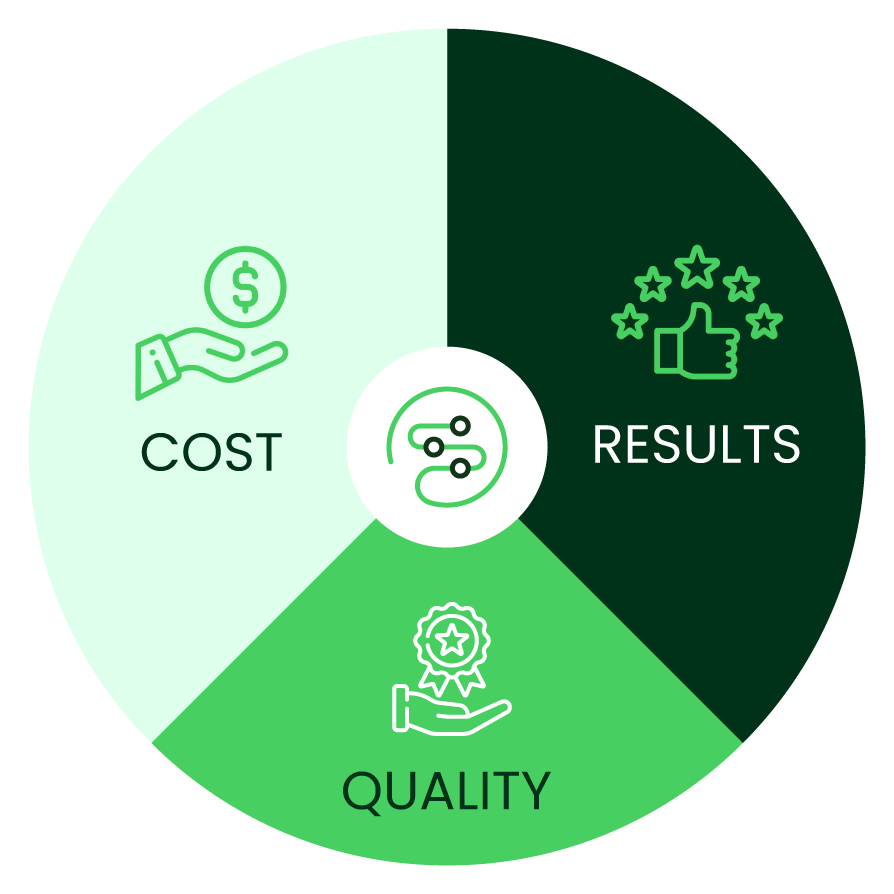
Value-based care (VBC) is a healthcare delivery and payment model that ties healthcare entities’ reimbursement to the quality of care they deliver, rather than the quantity of services provided. It aims to
- improve quality of care
- enhance patient outcomes and
- control costs
It’s evolved over the past several decades and gained momentum as healthcare systems placed more attention on the social determinants of health.
Why is VBC Relevant to NEMT?
Missed appointments, delays in follow-up care, and preventable hospital visits are often tied to transportation challenges, making NEMT increasingly relevant in conversations about long-term outcomes. Value-based care shifts the focus from how well a service operates to how well it supports the people who depend on it.
For example: instead of reporting “OTP was 95% this week” an NEMT provider might highlight “OTP was 95% this week among members scheduled for chemotherapy”. This makes the value of the service clearer because it ties performance to a specific health need.
Payers and regulators will still care about performance metrics, but there is growing attention on how those metrics translate into real access for vulnerable populations.
What’s Driving VBC Interest in NEMT?
As the healthcare environment evolves, several trends are prompting payers and regulators to look beyond traditional operational metrics and consider how services like NEMT contribute to consistent access and continuity of care.
Increased focus on care continuity. Missed appointments can disrupt chronic disease management, delay follow-up care, and increase long-term costs. Reliable transportation plays a direct role in reducing these gaps, and better data can help states and health plans understand the patterns behind missed or delayed care.
Technology has changed what is possible. GPS tracking, real-time routing, electronic signatures, and automated reporting give NEMT organizations the ability to show trip accuracy, travel times, member experience trends, and other indicators that relate to access. As these tools become more available, payers and regulators will expect NEMT providers to deliver the level of transparency and accuracy these systems make possible.
Regulatory changes and greater oversight are guiding the healthcare industry toward quality-focused and cost-effective models, even when these updates are not directed specifically at NEMT. Key developments include:
- Strengthened oversight of State Directed Payments (SDPs) that will require states that use SDPs in Medicaid managed care to include a quality evaluation plan–reflecting a broader move toward tying payments to measurable results.
- CMS’ 2030 Accountable Care Goal which raises expectations for all contracted services by linking payment to both quality and cost.
- Increased focus on Fraud, Waste, and Abuse (FWA) across Medicaid programs, including recent OIG investigations into NEMT providers, highlighting the need for strong compliance, clear documentation, and operational efficiency to support program integrity and cost control.
Together, these trends are creating more attention on how NEMT supports access, continuity of care, and member experience—a change that aligns with value-based principles even if the payment model itself does not fully shift.
Actionable Strategies for NEMT Leaders
So how can NEMT organizations prepare for this future and position themselves as indispensable partners?
- Monitor the HEDIS and CAHPS Metrics that matter to Payers: HEDIS and CAHPS are national measurement systems used to evaluate health plan performance within Medicaid and Medicare programs. Because health plans rely on these measures to assess quality and member experience, they offer useful reference points for NEMT organizations looking to align their metrics with payer priorities.
- Strengthen Data Collection: Track trends such as improved timeliness for recurring specialty care, reduced late pick-ups at specific facilities, or patterns in member-reported experience. This positions NEMT organizations as strategic partners committed to supporting access and care continuity.
- Segment Service Data: Track performance of members with specialized appointments such as dialysis, oncology, behavioral health, wound care, or post-discharge follow-ups to help demonstrate how NEMT supports members with complex or time-sensitive care needs. For example, analyzing OTP specifically for members traveling to chemotherapy or diabetes appointments provides a clearer view of how NEMT contributes to treatment adherence.
- Develop Meaningful Dashboards: Dashboards make it easier to demonstrate improvements over time, support data-informed decisions during contract discussions, and maintain a clear audit trail that helps identify potential FWA.
Technology: The Foundation for Future Success
Meeting the evolving expectations in NEMT depends on accurate, reliable, and timely data—which is nearly impossible without the right technological backbone. Move AI helps meet those expectations by supporting Brokers and Transportation Providers (TPs) with a fast, intelligent transportation management engine built specifically for NEMT.
Our platform strengthens daily operations and gives enterprises the tools they need to meet the service and reporting expectations set by payers and regulators. Key capabilities include:
- Google Fleet Engine integration for more accurate and predictable ETAs
- More than 200 customizable parameters to accommodate diverse operational needs
- Route optimization with multiloading capabilities to build efficient, cost-effective routes
- Automated trip assignment, reassignment, and fulfillment to reduce high labor costs
- Support for wait-and-return trips and will-calls for appointments that run longer than expected
- Real-time reporting dashboards for visibility into performance and compliance
- Comprehensive tools for drivers and passengers that offer additional insight into the trip experience
Conclusion
As healthcare shifts toward value-based care, the future standard for NEMT will be more than simply having data. It will require better data–data that shows how members reach care consistently and how transportation supports program integrity and payer expectations. Providers who can deliver that level of clarity will be best positioned to succeed in the evolving landscape.
This article was originally published in the NEMTAC’s NEMT Today here: https://lnkd.in/gcAmsFC6.
About Move AI
Move AI is rideshare-grade orchestration for NEMT. It gives brokers and transportation providers the freedom to grow by handling the nuances of every trip with built-in speed, precision, automation, and compliance.