

















Transportation Network Companies (TNCs) have been part of the non-emergency medical transportation (NEMT) landscape for more than a decade. Their expansion into healthcare introduced new service models and technology that helped address longstanding transportation barriers while improving visibility, flexibility, and coordination.
Today, TNCs are a common component of many NEMT networks, supporting a range of transportation needs from ambulatory and on-demand trips to certain Home and Community-Based Services (HCBS) programs. Understanding where they fit—and where traditional NEMT providers continue to play an essential role, is key to understanding the modern transportation ecosystem.
Defining the TNC Model in Healthcare
-
- Passengers don’t pay out of pocket: Transportation is financially covered and authorized by a sponsoring organization—such as a health plan or healthcare institution.
- Trips are typically booked by a coordinator: Trips are typically arranged by the broker, health plan, or healthcare staff. However, there are newer solutions like Uber Health’s rider self-booking feature which allow certain members to book their own trips within a preset organizational budget.
- The data exchanged is more HIPAA-Compliant: All trip coordination and passenger data travel through secure, compliant systems to ensure privacy and protect protected health information (PHI).
-
- Real-time GPS tracking
- Digital scheduling
- Automated payments
- Trip visibility and digital documentation
- On-demand communication
How TNCs Fit into Modern NEMT Networks
Today, TNCs are often integrated into broader transportation networks where brokers, transportation providers, and other mobility partners work together to meet varying member needs.
In various broker models, the Brokers remain responsible for critical functions such as:
-
- Eligibility verification
- Trip authorization
- Mode determination
- Compliance oversight
- Fraud monitoring
- Performance management
Transportation providers within a broker’s network continue to perform the majority of NEMT trips while TNCs typically serve as a supplemental transportation option. This includes supporting ambulatory transportation, same-day requests, overflow demand, and areas where provider capacity may be limited.
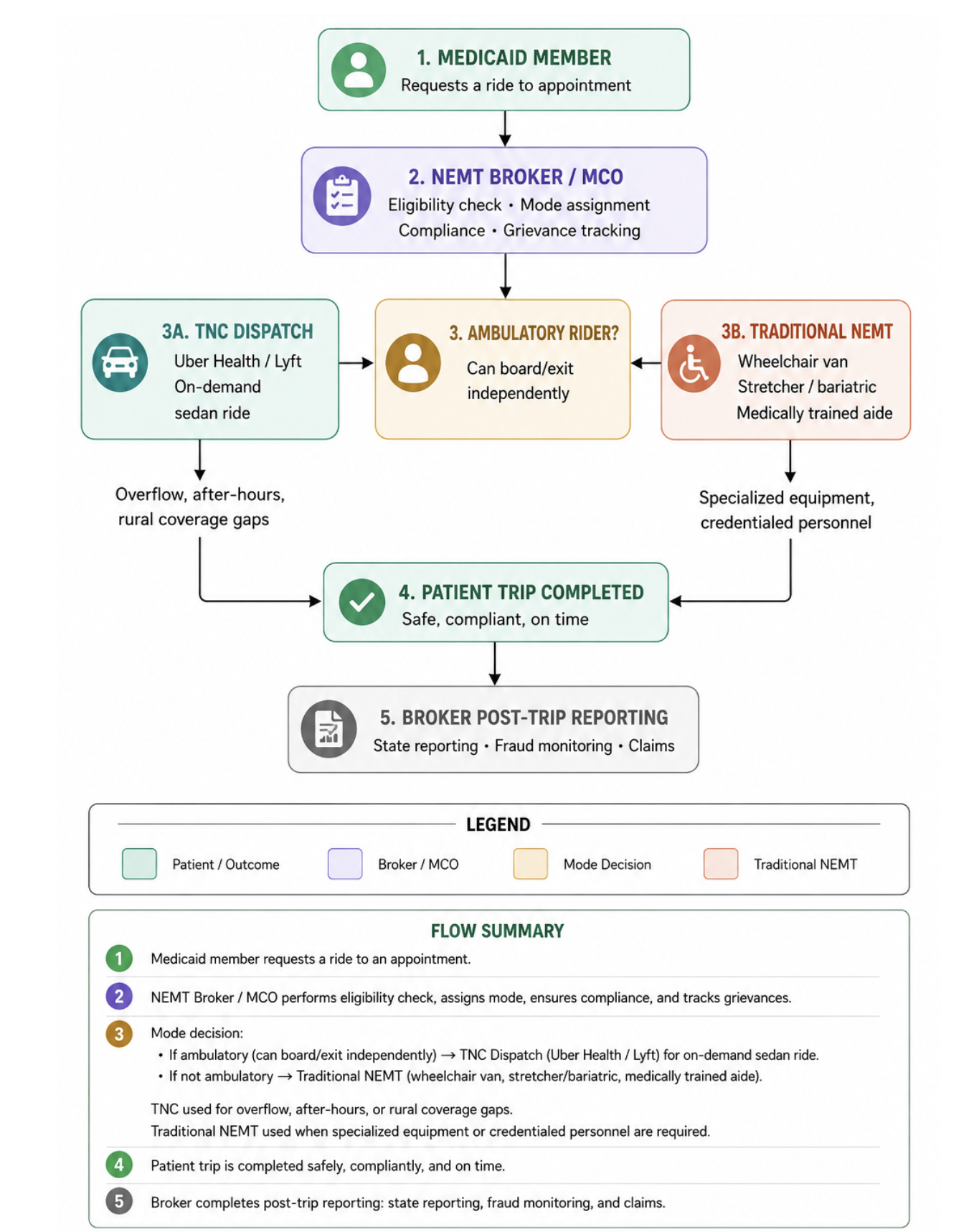
Figure 1. Typical Broker Workflow Utilizing TNCs as a Supplemental Service
Common TNC Use Cases in NEMT Today
Ambulatory transportation
Members who can independently enter and exit a vehicle and do not require specialized equipment or assistance.
Will-call and on-demand trips (B-leg pickups)
When patients complete appointments earlier or later than expected, TNCs can respond more flexibly to these requests, helping reduce wait times and improve trip availability.
Overflow capacity
TNCs supplement transportation networks during periods of high demand when provider capacity is limited.
Rural coverage gaps
In some markets, TNCs help fill service gaps where traditional provider networks are limited or trip demand is too low to support dedicated fleet capacity.
Specialized Transportation
While ambulatory transportation remains the most common use case, some TNCs have expanded into wheelchair-accessible transportation (WAV). For example, Uber WAV connects passengers with vehicles equipped with ramps and lifts. It is only available in select cities.
Industry Concerns
While TNCs introduced greater flexibility and options, their adoption also raised questions about training, credentialing, and passenger support.
Unlike the average rideshare passenger, NEMT serves individuals with mobility limitations, chronic conditions, behavioral health needs, or specialized medical equipment. Some stakeholders have questioned whether TNC drivers are adequately prepared to support the needs of this population.
Training and Passenger Support
Transportation Providers operate under strict state and managed care contracts that often require:
-
-
ADA training and sensitivity awareness
-
CPR and First Aid certification
-
Driver screening and specialized credentials
-
While some TNCs have introduced additional safeguards, documentation requirements, and compliance measures to align with NEMT program mandates, they may not require the same level of driver training, credentialing, or operational oversight expected of Transportation Providers. As a result, questions remain about whether independent contractors are adequately prepared for the unique needs of certain healthcare populations. Notably, some TNC drivers have also reported feeling unprepared for these responsibilities themselves.
Specialized Transportation Limitations
Even with new programs like Uber WAV, drivers are generally responsible for safely securing wheelchairs within the vehicle. They do not typically provide the door-through-door assistance that many frail or high-acuity members may require.
In addition, the geographic availability of TNC WAVs is still limited due to the newness of the program. So there are still coverage gaps outside of major metropolitan areas.
Why Transportation Providers Remain Essential
Transportation providers (TPs) are equipped to support a higher duty of care through specialized training and years of experience serving vulnerable populations. While service quality can vary between organizations, NEMT is often about more than simply transporting a member from one location to another. Drivers frequently assist individuals older adults, living with disabilities, managing chronic conditions, or experiencing behavioral health challenges. How those members are treated during the trip can influence their overall healthcare experience and willingness to access care in the future.
For these reasons, TPs remain critical for:
-
- Wheelchair-accessible transportation
- Stretcher transportation
- Bariatric transportation
- Trips requiring a medically trained attendant
- Transportation involving specialized equipment or assistance
Together, TNCs and Transportation Providers allow organizations to build NEMT networks capable of delivering safe, compliant, and reliable access to care.
The Road Ahead for TNCs in NEMT
While early adoption of TNCs was often centered around ambulatory and on-demand transportation, TNCs are being explored across a broader range of use cases. For example, Lyft has identified Home and Community-Based Services (HCBS) as an area of continued growth. Uber Health has also expanded its offerings within Medicare Advantage.
A major factor in this future expansion will be state-level adoption of TNC frameworks. Since Arizona first authorized a TNC as a registered Medicaid NEMT provider in 2019, states have taken different approaches to incorporating them into their NEMT programs. Going forward, their role in NEMT will likely be shaped by evolving compliance requirements, reporting expectations, and continued efforts to address fraud, waste, and abuse (FWA).
At the same time, innovation is advancing across the broader NEMT industry. Capabilities that were once viewed as differentiators are now commonly used by Transportation Providers, including:
-
- Real-time visibility
- Digital documentation
- Automated workflows
- Route optimization
- Performance monitoring
Their ability to combine these advancements with specialized vehicles, trained personnel, and years of experience serving Medicaid populations will continue to make them an essential part of the NEMT ecosystem.
As a result, the future of NEMT will likely be defined less by a single transportation model and more by how organizations combine technology, compliance, and service delivery to meet the needs of their members.
About Move AI
Move AI is rideshare-grade orchestration for NEMT. It gives brokers and transportation providers the freedom to grow by handling the nuances of every trip with built-in speed, precision, automation, and compliance.